What Happens If You Crash A Rental Car In California?
Renting a car in California offers the freedom to explore everything from the beaches of Orange County to the mountains of Northern California. However, accidents can happen, even to careful drivers. You may be wondering: What happens if you crash a rental car?
Understanding your responsibilities, insurance options, and the proper steps to take can make a stressful situation far more manageable. This guide will explain what to do immediately, who to contact, and how to protect yourself financially and legally.
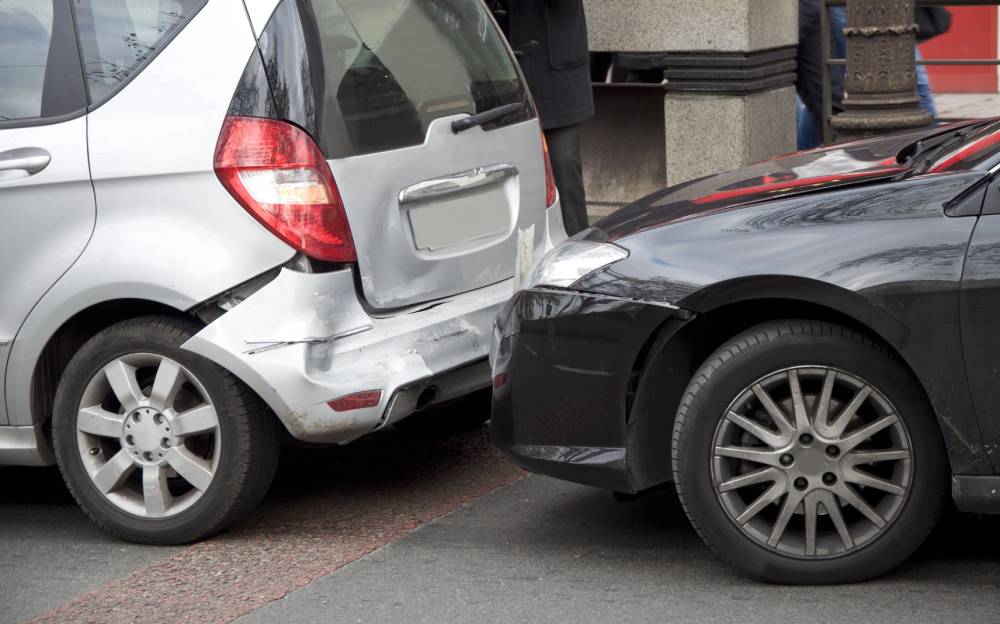
Immediate Steps After Crashing a Rental Car
The first priority after any car accident is the safety of all passengers and other drivers. Check if anyone is injured and call 911 immediately if medical attention is needed. If the accident is minor and it is safe to do so, move the vehicles to the side of the road to avoid further hazards.
Documenting the accident scene is essential. Take photos of all vehicles involved from multiple angles, including damage to your rental car and any other cars. Capture skid marks, traffic signals, road conditions, and weather at the time of the accident.
Exchange contact and insurance information with other drivers involved in the accident. This should include names, phone numbers, addresses, license plate numbers, and insurance policy details. Collect contact information from witnesses if possible. Proper documentation protects you if liability disputes arise.
Notify Authorities and the Rental Company
In California, you must call the police if an accident results in injury, death, or property damage exceeding $1,000. Even if the accident seems minor, a police report can provide a neutral account of the event that may help with insurance claims. Obtain a copy of the police report for your records.
Contact your rental company immediately. Rental car agreements often include specific procedures for accidents, including how to file an incident report and what information they require. For vehicles rented from United Auto Rental, the process is straightforward. The rental company can guide you through insurance claims and any additional steps required.
Understanding Insurance Coverage
Insurance coverage can be complicated when a rental car is involved. You have several options that may help cover damages, depending on the type of insurance you have and what was purchased at the time of rental.
- Personal Auto Insurance: Most personal auto policies extend coverage to rental cars. Check your policy to see if collision and comprehensive coverage apply to rentals. Knowing the deductible and limits is important before you face any expenses.
- Credit Card Coverage: Many credit cards offer car rental protection when the card is used to pay for the rental. Coverage may include damage, theft, and sometimes medical expenses. Confirm the terms with your credit card provider before relying on this option.
- Rental Car Insurance: Rental agencies often offer a Collision Damage Waiver or Loss Damage Waiver. This optional coverage reduces or eliminates your financial responsibility for damage to the rental car. Carefully review the fine print to understand what is covered.
Understanding your insurance options before you drive reduces stress if an accident occurs.
Determining Fault and Liability
California is a fault state, meaning the driver who caused the accident is typically responsible for damages. The state also uses comparative negligence, which may assign a percentage of fault to multiple parties.
To protect yourself, gather evidence at the scene, including photographs and witness statements. A police report provides an impartial account of the accident. Liability is often determined using this documentation, along with insurance investigations.
Even if the other driver is at fault, you may need to pay deductibles or coordinate with your insurance to cover immediate costs. Having clear records ensures you are not wrongly blamed or overcharged.
Costs and Financial Responsibilities
Accidents in a rental car can lead to significant costs. Damages to the rental vehicle, deductibles, and additional rental days while repairs are made are common expenses.
If the other driver is uninsured or underinsured, you may rely on your own insurance to cover the damages. If your insurance does not cover rental cars, consider purchasing additional coverage when you rent.
Rental companies may charge for lost rental days while the vehicle is in repair. Understanding your rental agreement helps avoid unexpected costs. In some cases, you can negotiate payment plans or coordinate with insurance to reduce out-of-pocket expenses.
Steps to Protect Yourself After an Accident
Take detailed photos of the rental car before leaving the lot, noting any existing damage. Review your rental agreement to understand your responsibilities, including insurance options and accident reporting procedures.
Keep all documentation, including photos, police reports, receipts, and correspondence with your rental company or insurance provider. Promptly communicate with both the rental company and your insurance provider to ensure claims are processed correctly.
If needed, consult a car accident attorney. Legal advice can help maximize your recovery and ensure you are not unfairly held responsible for damages or medical costs.
Frequently Asked Questions
Who pays for the rental car after an accident in California?
Responsibility depends on fault and coverage. It could be your insurance, the at-fault driver’s insurance, the rental company, or coverage provided by a credit card.
What if the at-fault driver has no insurance?
Your uninsured or underinsured motorist coverage may pay for damages. Ensure your insurance is informed of every detail and keep documentation from the accident.
Can you sue a rental car company in California?
Typically, this is unnecessary if you follow the rental agreement and understand your liabilities. Legal action may be an option if the rental company breaches its contract or fails to provide a roadworthy vehicle.
Take Control of Your Rental Car Experience
Crashing a rental car in California can be stressful, but knowing what to do reduces complications. Ensure safety, document the scene, notify authorities, and contact your rental company and insurance provider. Understanding fault, liability, and insurance coverage protects your finances and legal standing.
If you plan to rent a car for future trips, check out our car catalog to explore rental options. You can choose a wide range of vehicles from our Orange County car rental location for a safe and comfortable journey.